Dog Toy Rotation: Make More of the Toys You Already Own
Edited by Scoop for theTailed Editorial Desk · Published

Share
A smaller selection can make playtime easier to organise. Here is how to rotate your dog's toys while keeping favourite comforts and individual preferences in view.
Edited by Scoop · theTailed Newsroom · 4 minute read
The toy basket is full, but your dog walks past it carrying the same battered favourite. Buying another squeaky arrival is one possible response. Before doing that, it is worth looking at what is already there: which toys get chosen, which only emerge during a tidy-up, and which need retiring.
Toy rotation means keeping part of the collection available and putting the rest aside, then swapping the selection periodically. Dogs Trust recommends a weekly change. The point is to offer variety from existing toys, rather than assume that every play session needs a purchase.
This guide turns that idea into a manageable household routine. It separates toys used for play from familiar comforts, explains what to check before an item returns, and suggests a simple way to notice what your dog actually enjoys. Rotation is an option to adapt, not a timetable your dog has to obey.
Start with the toys your dog chooses
Before sorting anything, watch an ordinary play session. Does your dog bring you something to tug, carry a soft toy around, or choose a toy that rolls? PDSA's guidance on chewing recommends paying attention to toy preferences and rotating toys regularly.
Make a short note of what gets used and how. A toy that sits untouched until you join in may have a different role from one your dog carries to their resting place. That distinction gives you something more useful to work with than a pile organised only by colour or purchase date.
You do not need to buy matching sets or a special storage system. Begin with the collection you have. The useful question is which choices it offers your particular dog, rather than whether the basket looks well stocked.
Keep a comfort favourite out of the shuffle
Humane World for Animals' enrichment guide suggests offering three or four toys from a larger collection and putting the others away. It also says a favourite used for comfort should remain available.
Use that small selection as a starting point, not a required quota. For example, your household might have a familiar comfort toy that stays put, with a few play toys changing around it. There is no reason to remove a cherished companion simply because it is changeover day.
Choose a storage place for the reserve toys and agree the arrangement with anyone else who looks after the dog. A simple distinction between the available collection and the reserve avoids someone immediately tipping everything back into the basket. The system should be easy enough to maintain without becoming another household project.
Check before each return to play
An item coming out of storage still needs to suit the dog. Humane World's toy guidance advises selecting an appropriate size, supervising squeaky-toy play and discarding toys that are torn or breaking into pieces. A toy being familiar does not make damage harmless.
Use the changeover as a chance to check the entire item, including seams and attached parts, and follow its care instructions. Put an unsuitable toy aside for disposal, rather than returning it to the reserve pile where it may be offered again by mistake.
Keep a distinction between toys available in the room and toys you bring out for supervised interaction. Dogs Trust emphasises suitable enrichment, watching how the dog uses it and supervising soft-toy play so small parts are not swallowed.
Try a weekly change, then watch the response
The weekly suggestion from Dogs Trust gives you a straightforward starting rhythm. Pick a day you will remember and swap some play toys from the reserve into use. Keep a mix of purposes rather than replacing several different activities with several versions of the same thing.
Here is an example of a simple record: write down the toy offered, whether your dog approached it, and whether they played alone or with you. These are observations, not scores. A quiet choice and a brief game can tell you more than counting how many toys were touched.
Dogs Trust recommends considering the individual dog's preferences and adjusting enrichment when it appears confusing or frustrating. If an option is ignored, you can try a different suitable toy or another time. You do not have to insist on the planned activity to make the rotation count.
Make the next choice useful
After a couple of changeovers, look back at what was actually chosen. You may find the collection already covers several kinds of play, or that a particular type is consistently left alone. Treat those notes as a guide to this dog's choices, not a verdict on what all dogs should enjoy.
Rotation organises the objects; it does not provide the interaction by itself. Humane World highlights the importance of play with people. Leave room to join in, as well as room for your dog to choose a familiar toy or finish. For specific activities, our indoor dog games guide offers a separate starting point.
The next time you are tempted by another toy, you will have a more precise question: what would it add to the play your dog already enjoys?
From theTailed
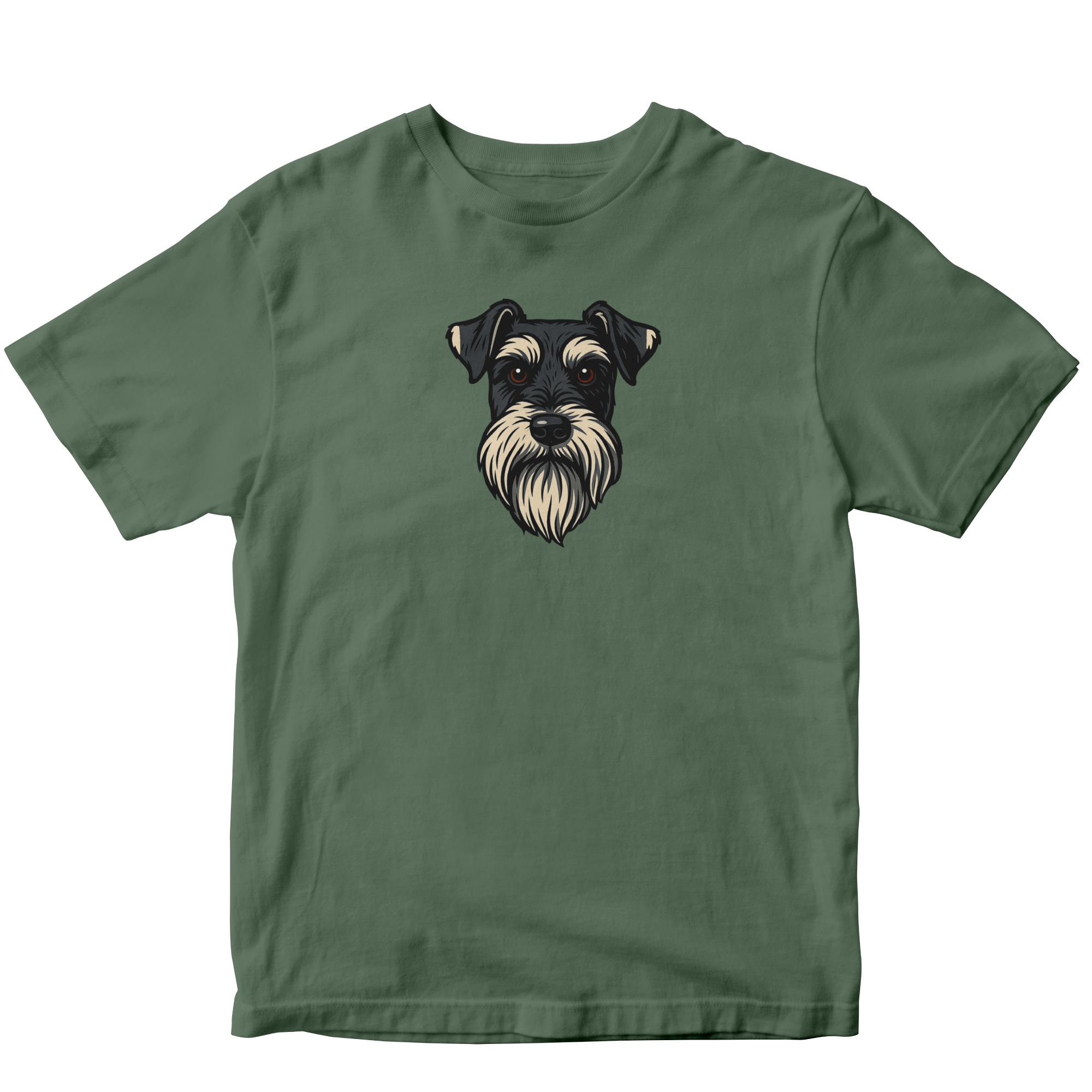
For the dog whose favourite toy is part of their personality, celebrate the face behind the collection with a theTailed large-print pet T-shirt. The design features a large front illustration based on your pet photo.
Sources and update record
- Dogs Trust: enrichment activities for dogs
- PDSA: training dogs not to chew
- Humane World: safe dog toys
- Humane World: easy pet enrichment
Source guidance and product information checked 9 September 2026. The example routine is a suggested way to organise existing toys, not a guarantee of renewed interest.