Teach your dog ‘find it’: an easy indoor toy game
Edited by Scoop for theTailed Editorial Desk · Published

Share
A favourite toy and an easy hiding place can turn an ordinary room into a small adventure. The useful trick is knowing how little mystery to add at the start.
Edited by Scoop · 5 min read
Your dog can locate a biscuit crumb beneath the table with remarkable dedication. Ask them to find a toy you have hidden, though, and they may look at you as if the household has introduced an unnecessary administrative process.
‘Find it’ turns searching into a shared game. Edinburgh Dog and Cat Home includes a toy version in its enrichment guidance, while Dogs Trust recommends indoor toy searches as one way to keep dogs engaged during winter. You can begin with a familiar toy and a very obvious hiding place.
The aim is an enjoyable search, rather than a test your dog must pass. Start with what they can see, reward the discovery, then add difficulty gradually. Here is how to build that progression without turning the living room into an obstacle course.
Choose a toy your dog already wants to find
Start with something your dog enjoys playing with. In its Find it instructions, Edinburgh Dog and Cat Home suggests saying a favourite toy’s name whenever you pick it up. Choose one simple name and use it consistently, rather than changing between several descriptions of the same object.
This gives the game a recognisable starting point. It does not establish that your dog understands a catalogue of toy names, and there is no need to put several near-identical toys in front of a beginner. Begin with one familiar object and one achievable task.
Keep the first round in a clear part of a room, with the toy somewhere the dog can reach easily. Use an ordinary dog toy in good condition. The challenge should come from locating it, not climbing furniture, squeezing into a gap or dismantling the hiding place.
Let your dog watch the first hide
The Home’s next step is to hide the toy somewhere easy while the dog watches, then invite them to find it. An object that is still partly visible can be a useful beginning. You are showing the dog what the invitation means, rather than expecting them to infer the whole game.
For example, place the toy just beyond a chair leg in the same clear floor area. Let your dog see the movement, then give your chosen ‘find it’ cue. Stay involved and let the dog approach the object. There is no advantage in making the first attempt a grand disappearance.
If your dog watches you put it down and immediately goes to it, that is a successful first round. Looking at the hiding place is allowed. Repeat an easy version before changing the arrangement; a search game can begin as a visible discovery.
Add a little mystery, with help available
The Royal Kennel Club’s indoor-games guide also recommends letting dogs watch initially, then making hides out of sight once they understand the game. It explicitly advises helping a dog that struggles early on.
Keep that help practical: return to a more obvious hide rather than leaving the dog to search an increasingly large area. Change one part of the task at a time. A different position in the same room is already a new problem; it need not arrive with a closed door and several decoy objects.
An easy find and a harder find are stages of the same activity. Neither needs a stopwatch. If your dog wanders off or no longer wants the toy, finish the round and choose another opportunity rather than repeatedly issuing the cue.
Make finding the toy lead to something enjoyable
In its winter activity advice, Dogs Trust recommends playing with the dog as the reward for finding a hidden toy. The discovery should lead to the enjoyable part of the game, rather than an immediate demand to give the object up and start another test.
A brief shared play session can therefore be the finish to a round. Finding and retrieving are different tasks: a dog can locate the toy successfully without delivering it neatly into your hand. If bringing objects back is the skill you want to practise, treat that as a separate lesson.
Indoor searches add variety to time together. They are not a promise to replace the dog’s normal exercise or meet every individual need, and this simple game is not a treatment for distress or a behaviour problem.
Keep the next challenge small and supervised
Once the easy version is familiar, Edinburgh Dog and Cat Home suggests trying harder locations and eventually hiding the favourite among other toys. Leave that final challenge until your dog has had plenty of straightforward discoveries. You can always return to the easier version.
Supervise the activity and avoid hiding places that invite chewing unsuitable objects. The Royal Kennel Club warns against leaving dogs unattended with items that are not designed for them to chew and says children and dogs should never be left alone together. Keep an adult involved if children help set up the game.
A useful first session can end after a few enjoyable rounds. Notice which hide your dog understood and use that as your starting point next time. The best result is a dog keen to join you again, with the favourite toy still available for ordinary play.
From theTailed: put your favourite search partner in the picture
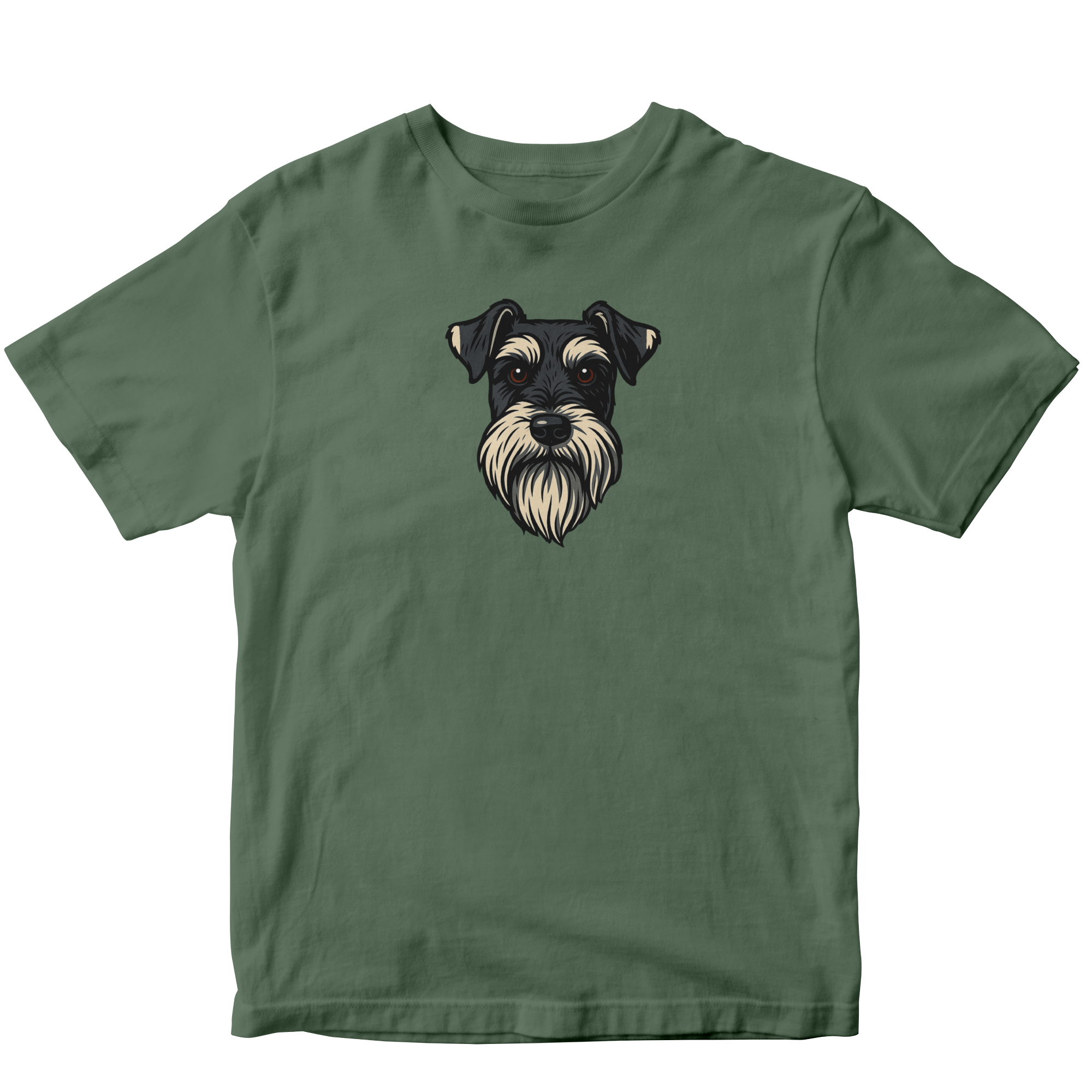
Once the game is finished, a favourite dog photo can celebrate the companion behind it. theTailed’s personalised pet T-shirt with a large front print uses your pet photo as the reference for a comic-style illustration. Explore the current options if you would like that familiar face on your next everyday T-shirt.
Sources and update record
- Edinburgh Dog and Cat Home: enrichment and Find it
- Dogs Trust: keeping dogs active during winter
- Royal Kennel Club: indoor activities
Guidance and product information checked 1 November 2026.